*No obligation. No cost. Built around your property and future plans.
We use cookies to improve your experience and to help us understand how our website is used. You can choose to accept all cookies or manage your settings. For more information please see our Privacy and Cookie Policy.
You can control which types of cookies you allow. Necessary cookies always run because they help the website function.
We use cookies to improve your experience and to help us understand how our website is used. You can choose to accept all cookies or manage your settings. For more information please see our Privacy and Cookie Policy.
You can control which types of cookies you allow. Necessary cookies always run because they help the website function.
*No obligation. No cost. Built around your property and future plans.
The questions most homeowners ask but rarely get clear answers to before installing solar.
Built from real concerns around ownership, performance and long-term outcomes.
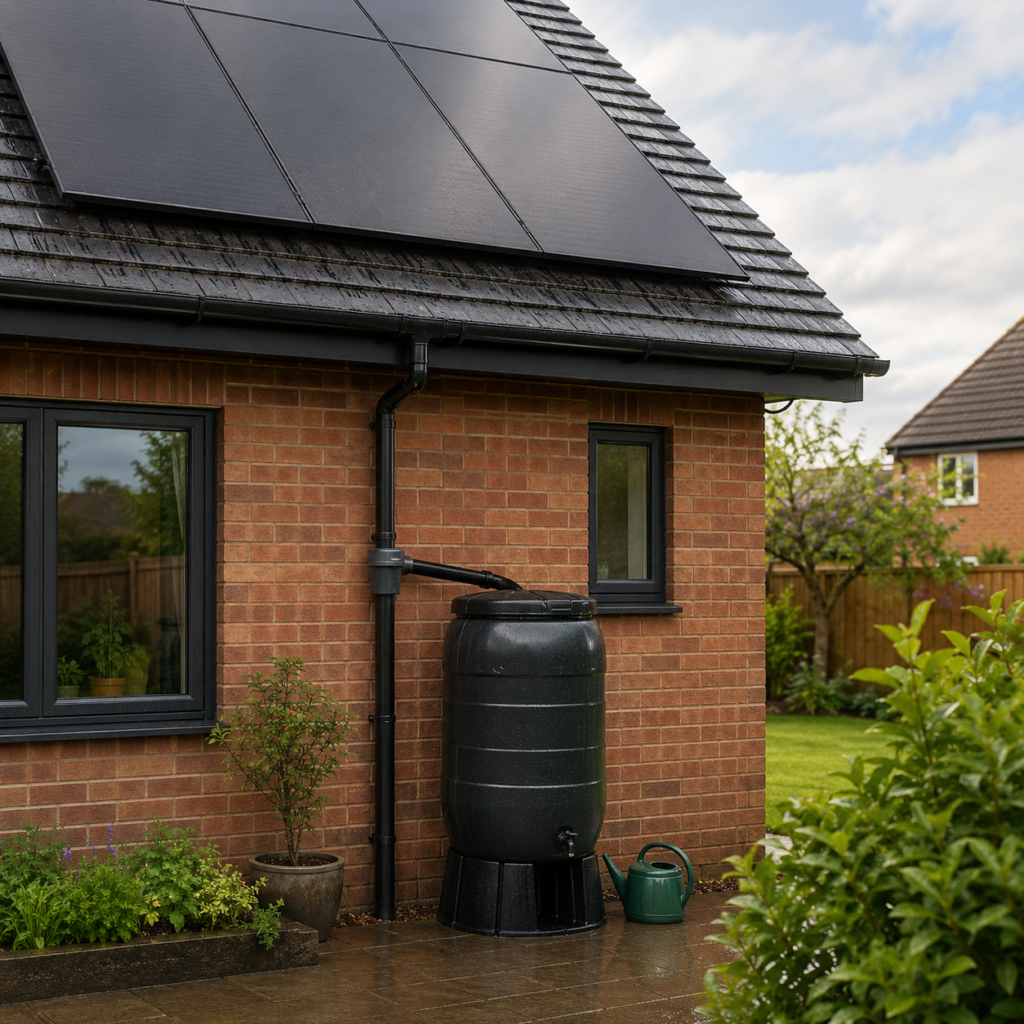
Solar panels, hybrid inverters, MPPTs and battery storage can sound unnecessarily complicated when each component is explained separately.
There is a much easier way to picture how they work together.
Think about an ordinary roof, some guttering, a downpipe and a water butt.
It is a familiar household system that can help explain how solar energy is collected, managed, stored and used after the sun has stopped shining.
Once you can picture the complete system, the individual pieces become much easier to understand.
Most solar advice focuses on installation, savings and system size.
But homeowners tend to worry about something else.
What happens after the installation.
Selling their home.
Replacing the roof.
Upgrading the system later.
This page answers those questions clearly before you make a decision.
These are the questions that tend to shape the final decision.
If you want to understand how solar would actually work on your property, it helps to look at the details that affect real performance.
This includes your roof orientation, any shading throughout the day, how your property uses energy and what you may want to add in the future.
You can start that here:
Even the most accurate solar quote can’t fully reflect your home, your lifestyle or your future plans. Before making your decision, there’s one more thing worth considering.
Most homeowners assume every installer should recommend almost the same system.
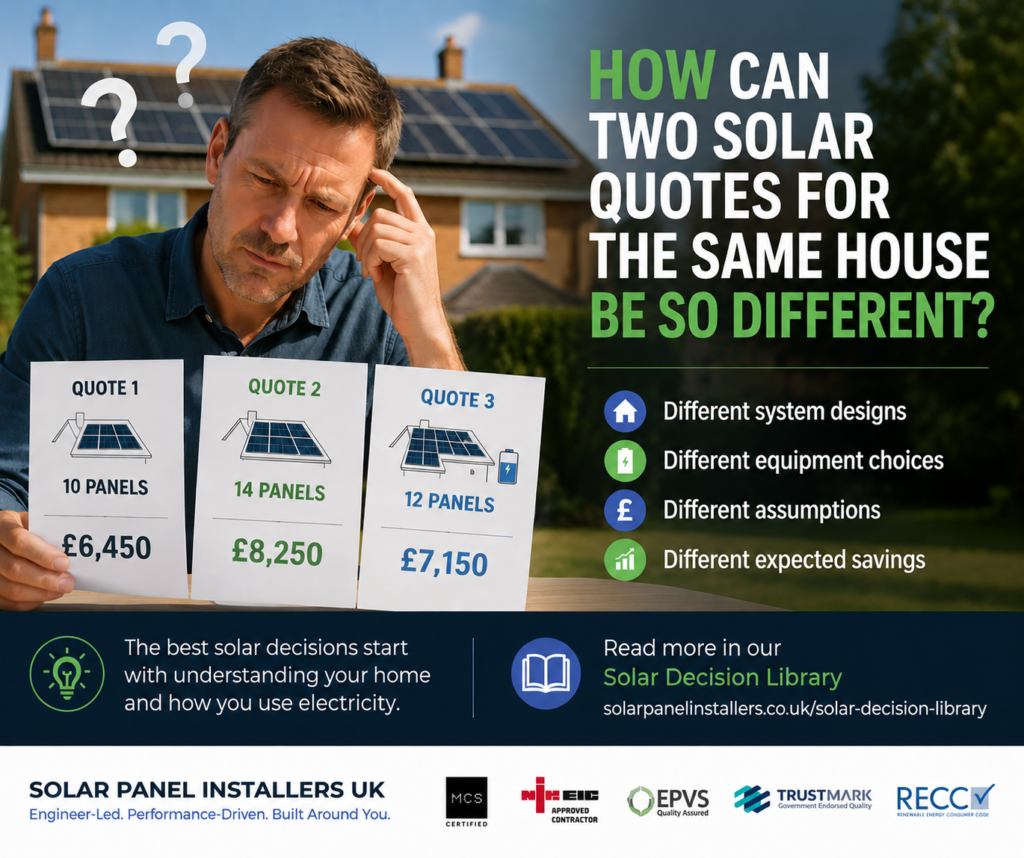
In reality, two quotations can differ by thousands of pounds because they’re based on different engineering assumptions, not simply different prices.
Solar is often presented as a product, but the real value comes from the systems design and its long-term performance.
Solar panels continue to generate electricity in winter, but output is lower and often misunderstood.
Savings figures are often presented as fixed outcomes, but real-world results depend on how the system is used.
Before speaking to installers, it helps to understand what your system should be expected to do, not just what is being suggested.
That means looking at how your property uses energy, how your roof performs across the year and whether factors like shading, layout or future upgrades will affect the outcome.
You can start building that picture here, without any obligation:
Long-term support is often overlooked, but solar systems require ongoing access to expertise and the original documentation.
Most solar energy systems generate electricity, but not all deliver consistent results or meaningful savings for you.
Solar panels do not automatically increase property value. In some cases, they can complicate a sale if the system is poorly designed or lacks proper documentation.
At some point, every roof needs attention. When solar panels are installed, removing and reinstalling them becomes part of that process and cost.
Many systems work, but don’t perform as expected. The difference comes down to the system design, not just panel installation.
Most quotes focus on panel numbers and estimated savings, but leave out the details that actually affect performance and long-term value.
Solar panels can raise questions during a mortgage or remortgage, particularly around ownership, documentation and how the system is registered.
Many properties can have solar installed, but that does not mean they will perform well or deliver meaningful savings.
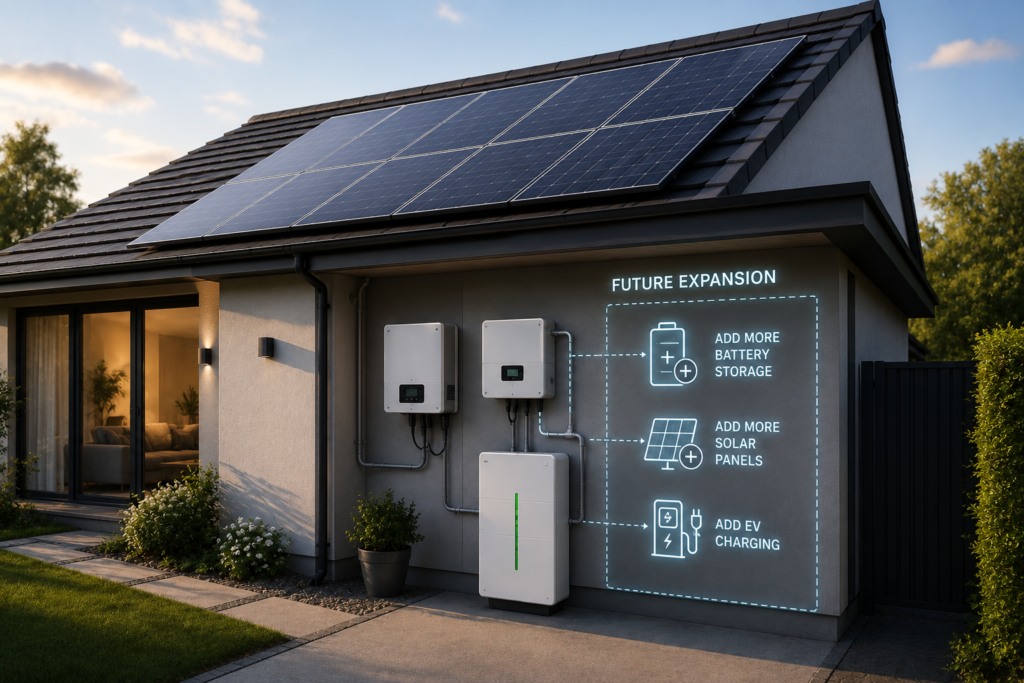
Many homeowners install solar without planning for future changes such as adding storage batteries, EV charging units or increased energy usage.
Many homeowners install solar based on today’s energy usage. The challenge is that energy usage rarely stays the same.
Share a few details using the form at the bottom of the page and our engineer-led team will begin your Structured Solar Performance Assessment.
We do not use sales teams. Your enquiry goes directly to our engineer-led design team.
Prefer to speak with an engineer now?
Call us and get clear, practical guidance based on your property and energy usage.
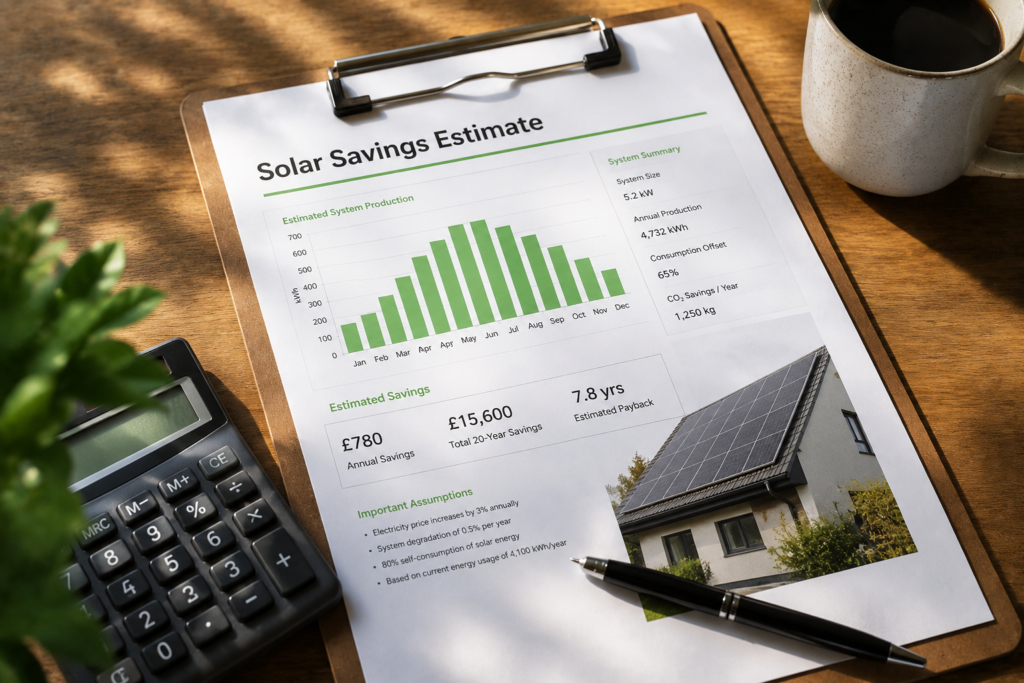
Solar savings depend on multiple variables.
These include:
Energy usage patterns
Tariff structure
Seasonal performance
System design
Estimates are often based on ideal conditions.
Real-world performance varies.
A well-designed system accounts for realistic usage and operating conditions.
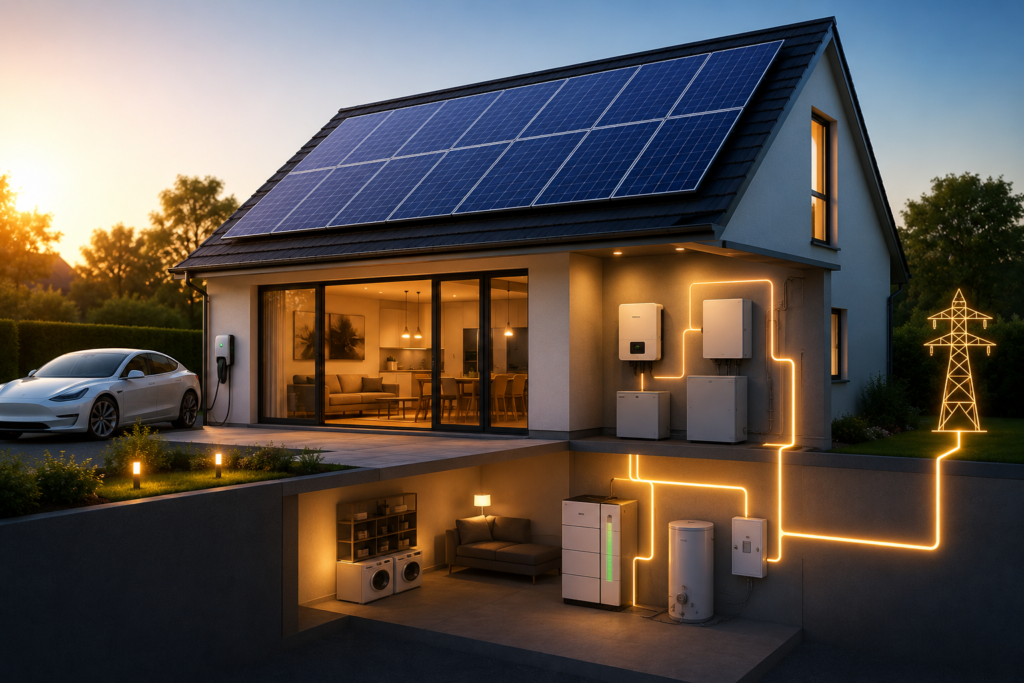
Solar panels are only part of the system.
What you are actually investing in is:
System design
Performance over time
Energy independence
Long-term cost control
The difference between installations comes from how the system is designed, not just the components used.
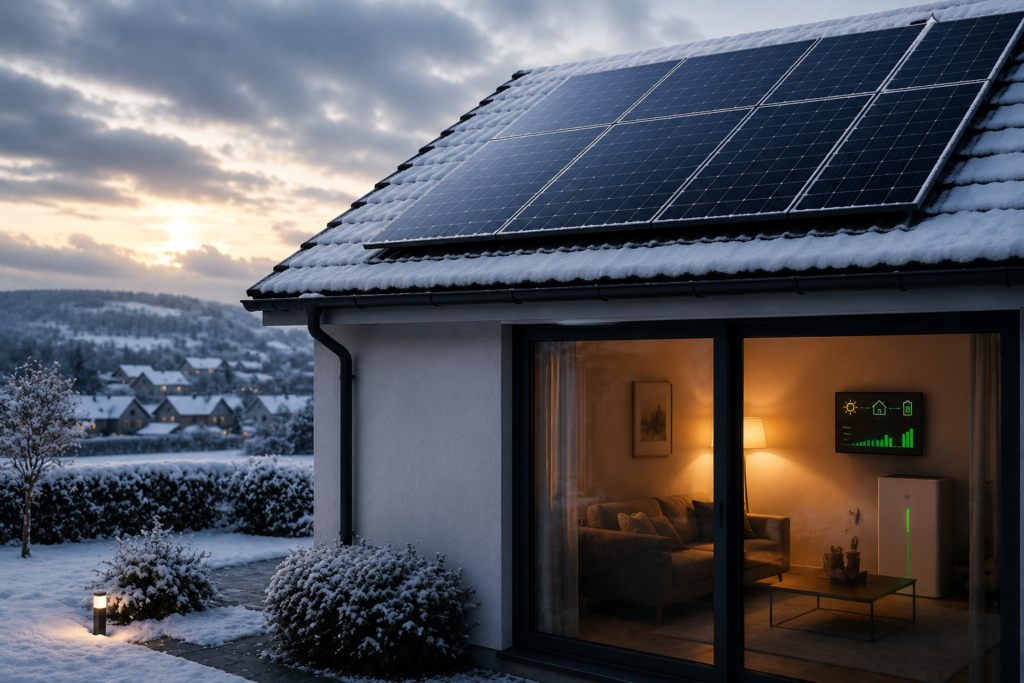
Solar panels generate electricity all year-round.
During winter, the output is reduced due to:
Shorter daylight hours
Lower sun angle
Weather conditions
This is expected and should be accounted for in the initial system design.
Performance should be assessed across the full year, not just peak summer output.
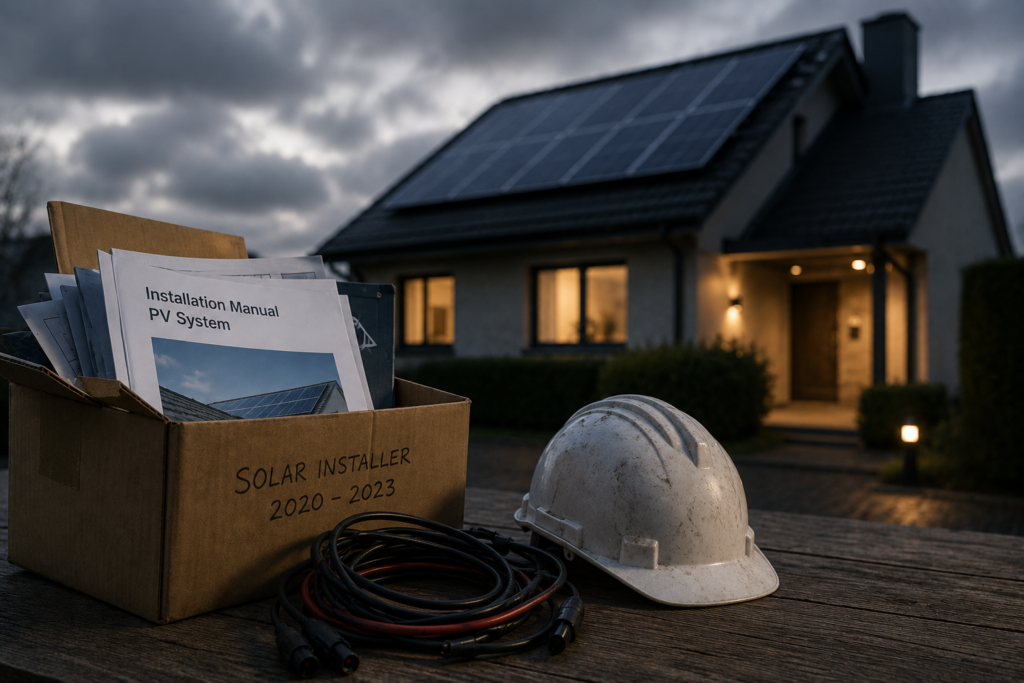
Solar systems are long-term installations.
They rely on:
Warranties
Documentation
System knowledge
If the original installer is no longer available, it can become difficult to:
Access support
Understand system configuration
Resolve faults
This is why system documentation and clear installation standards matter.
The system should be understandable and serviceable beyond the original installer.
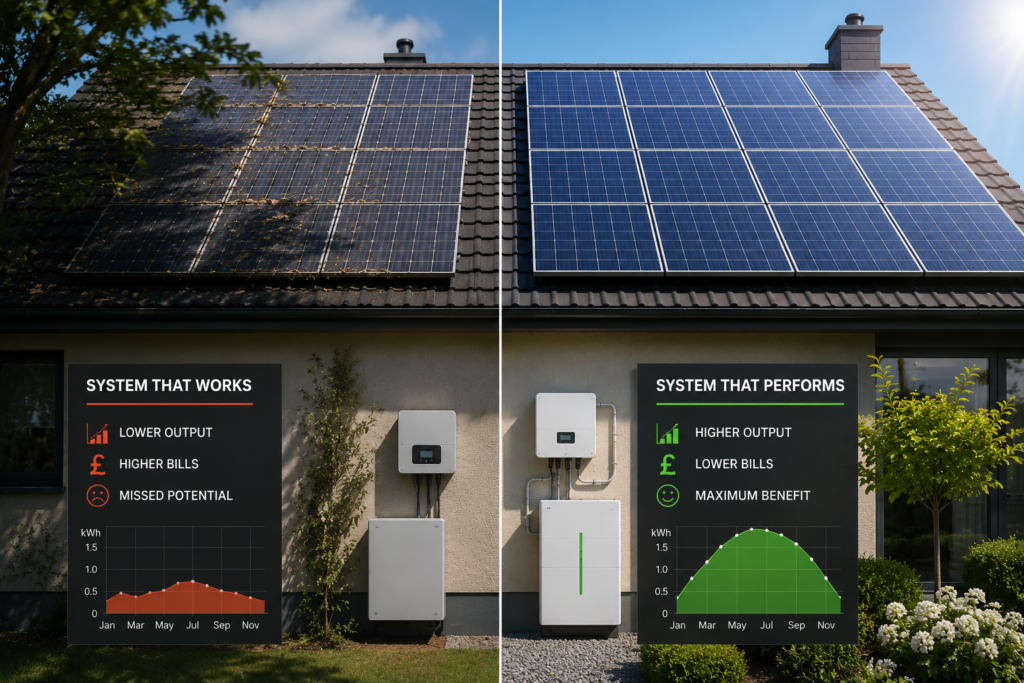
Most solar systems in the UK generate electricity.
But not all systems perform as expected.
Performance depends on factors such as:
Roof orientation and pitch
Shading throughout the year
Inverter sizing and system design
How energy is used within the property
Many systems are designed around panel count rather than real-world usage.
This leads to systems that look good on paper but fail to deliver consistent results.
A properly engineered system is designed around performance, not just installation.
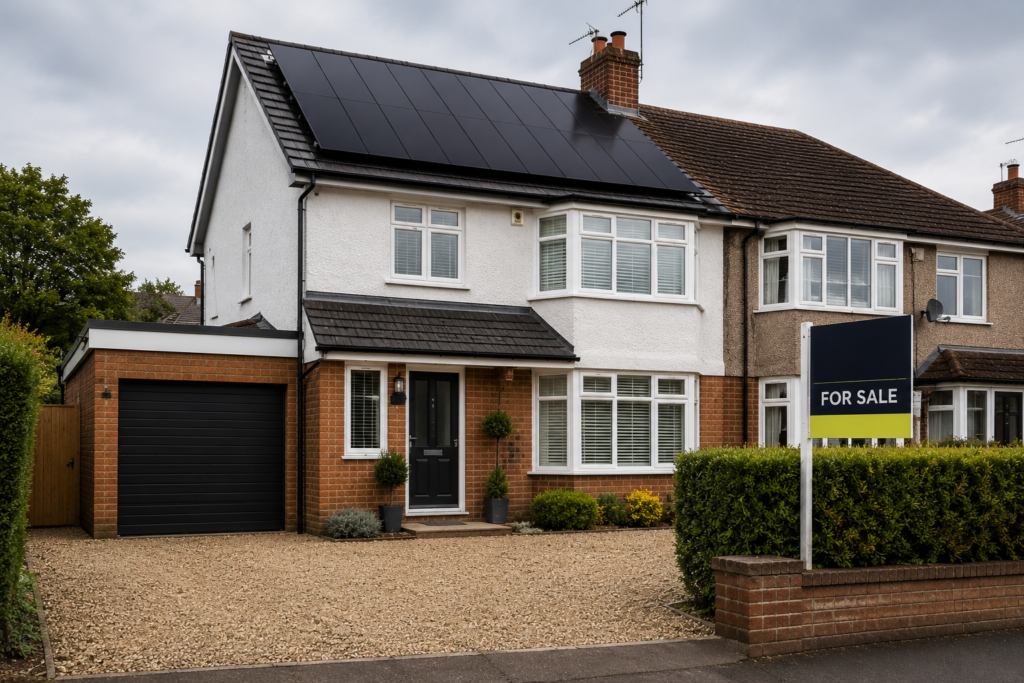
Most homeowners assume solar panels will automatically add value to their home.
In reality, it depends on how the system has been designed and installed.
Buyers, surveyors and mortgage lenders will often look beyond the panels themselves and consider:
System ownership and documentation
Roof condition and installation quality
Electrical compliance and certification
Ease of maintenance or removal
A well-designed system can support a sale.
A poorly designed one can create hesitation.
This is why solar should be approached as a long-term ownership decision, not just an installation.
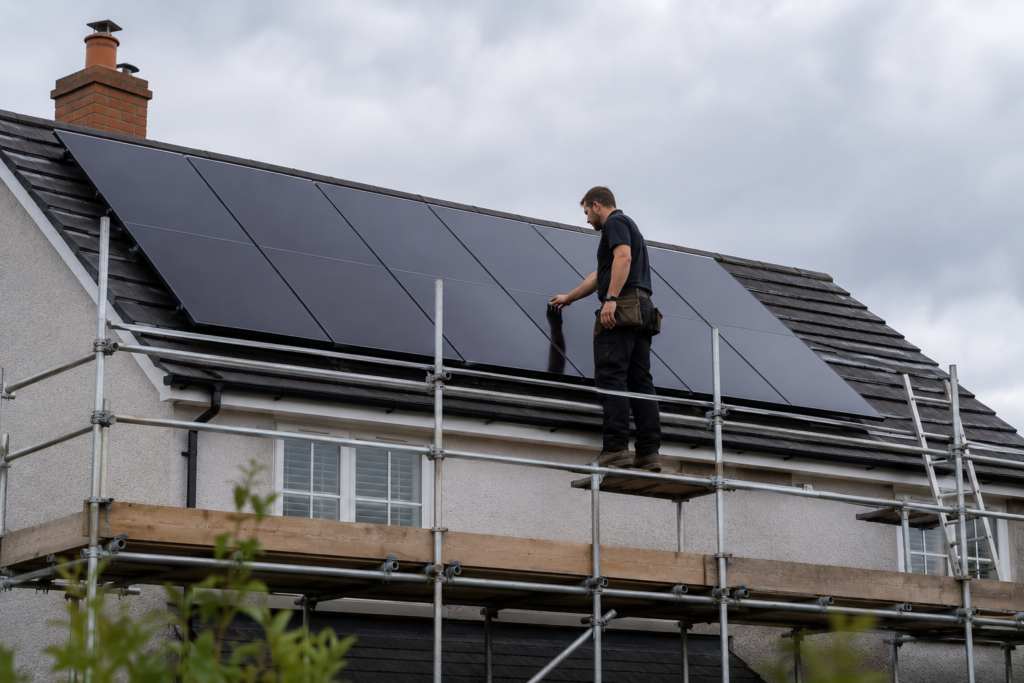
Solar panels become part of your roof once installed.
If the roof needs repair or replacement in the future, the panels will need to be removed and reinstalled.
This involves:
Additional labour
Scaffolding costs
System downtime
This is where installation quality and planning become critical.
A system designed without long-term considerations can create unnecessary expense later.
That’s why roof condition and future access should always be part of the initial assessment.
Most solar systems in the UK generate electricity.
But not all systems perform as expected.
Performance depends on factors such as:
Roof orientation and pitch
Shading throughout the year
Inverter sizing and system design
How energy is used within the property
Many systems are designed around panel count rather than real-world usage.
This leads to systems that look good on paper but fail to deliver consistent results.
A properly engineered system is designed around performance, not just installation.
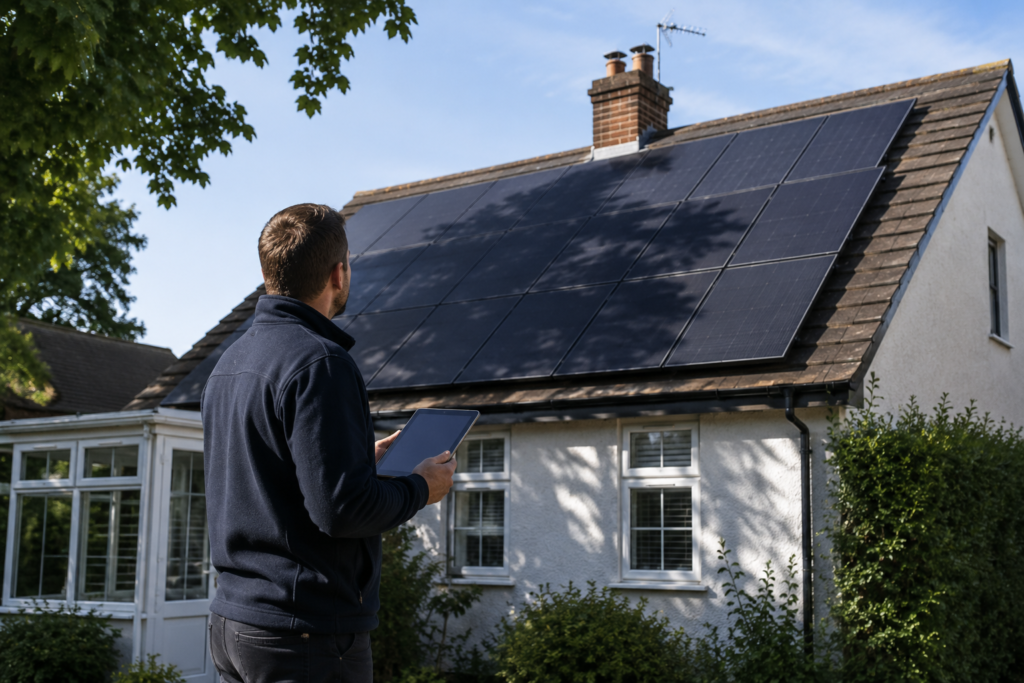

Most modern solar installations do not prevent a mortgage or remortgage.
However, lenders and surveyors may review:
System ownership
Installation certification
Electrical compliance
Any third-party agreements
Older lease-based solar schemes created complications, which is why proper documentation and system ownership are now critical.
A well-documented system is rarely an issue.
An unclear one can slow things down.
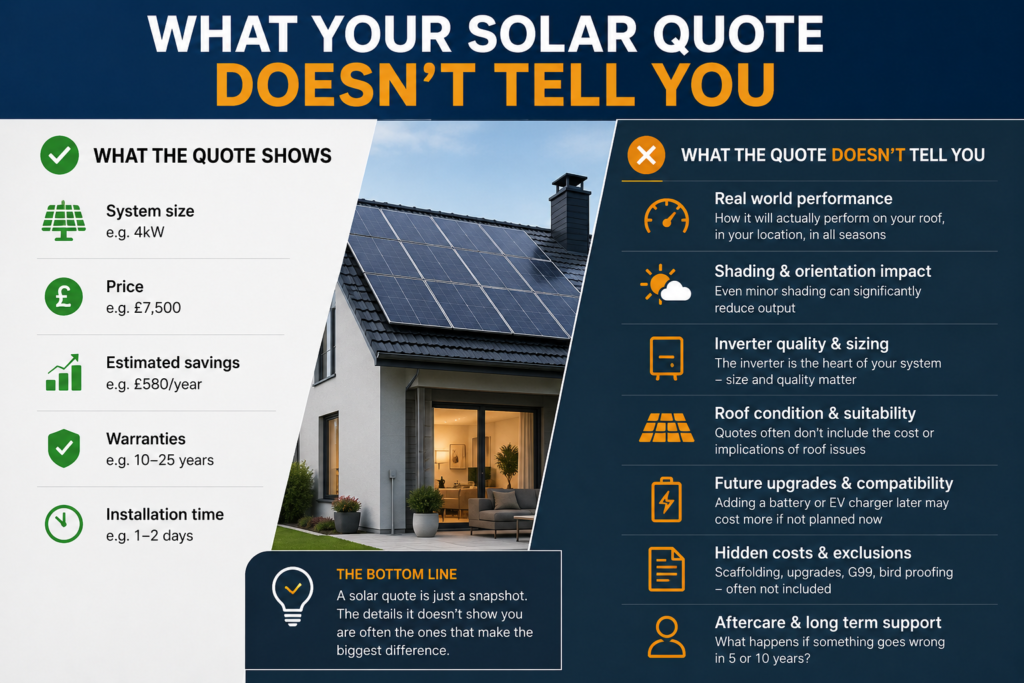
Most solar quotes focus on system size, panel count and projected savings.
What they often leave out are the factors that determine how the system will actually perform over time.
These include:
Electrical capacity and export limits
Inverter sizing and system configuration
Real usage patterns within the property
Performance losses across the year
A quote can look strong on paper while missing key design considerations.
This is why system design matters more than headline figures.
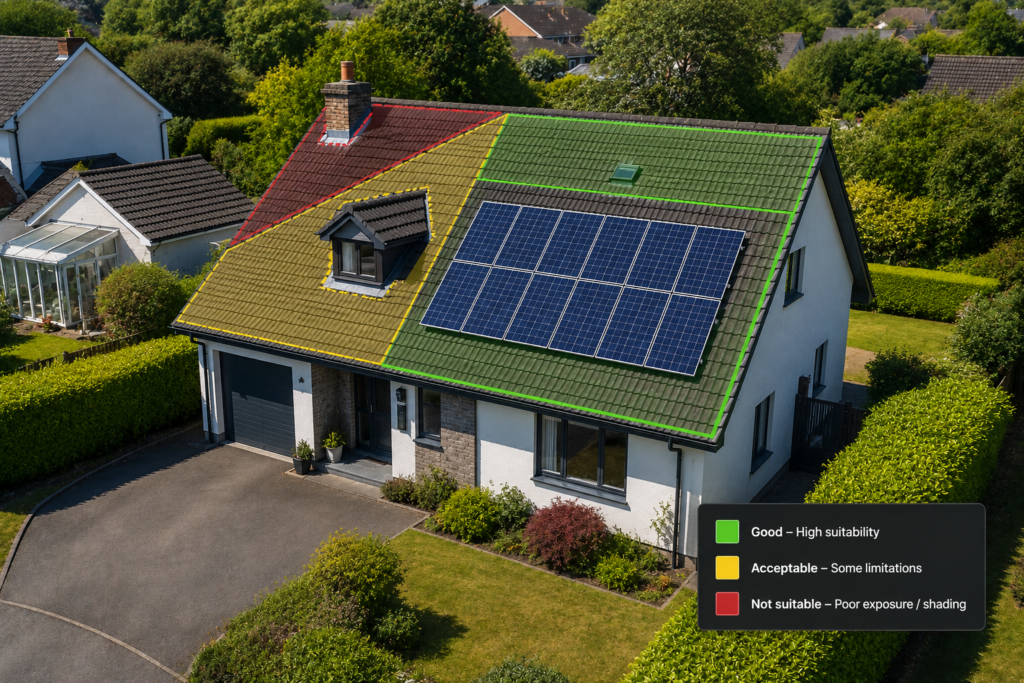
Most properties can accommodate solar panels.
But that does not mean they are suitable for a strong performance.
There is a difference between a system that can be installed and one that is designed to work well.
Suitability depends on:
Roof orientation and pitch
Shading throughout the day and across seasons
Available roof space and layout
Electrical constraints and usage patterns
A system installed on an acceptable roof may still underperform.
A properly assessed property allows the system to be designed around real conditions.
Energy usage rarely stays the same.
Homeowners very often add:
Battery storage
Electric vehicle charging units
Heat pumps
If the original system has not been designed with future upgrades in mind, expansion can become limited or more expensive.
This can involve:
Replacing inverters for suitability
Adding additional hardware
Reworking parts of the system
Planning for future usage at the design stage avoids unnecessary cost later.
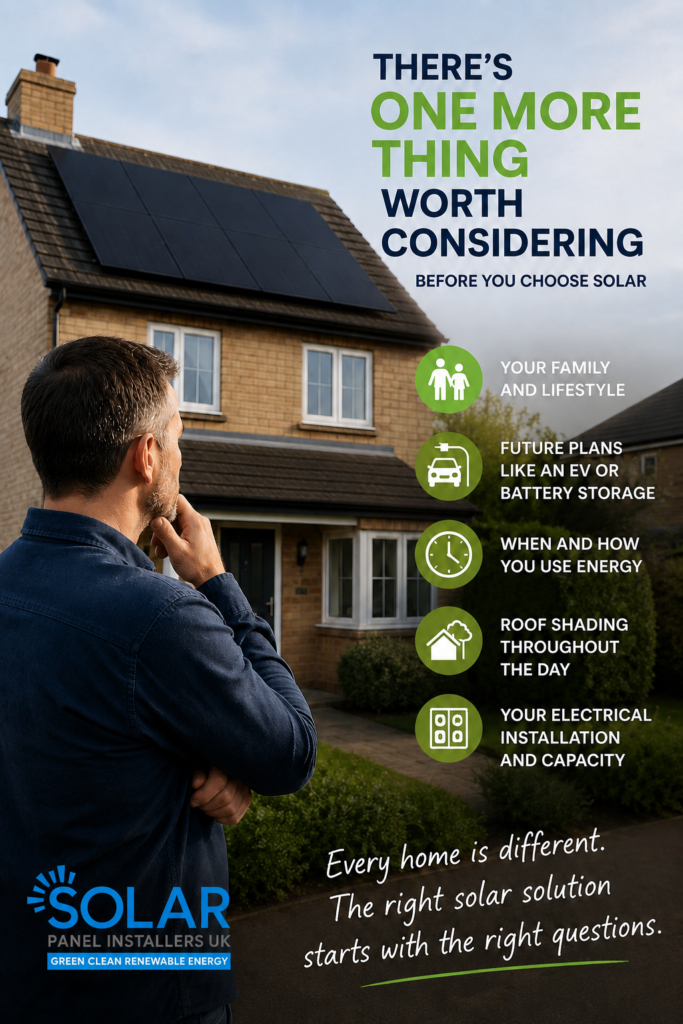
Most solar quotes include the information you’d expect. They’ll tell you how many panels are being recommended, give you an estimated installation cost and often provide a prediction of how much electricity the system could generate each year.
That’s all useful information.
But none of those figures know anything about the people who live in your home.
They don’t know when you use the most electricity, whether you’re planning to buy an electric vehicle, add battery storage in the future, extend your property or spend more time working from home. They don’t know if part of your roof is shaded at certain times of the day or whether your existing electrical installation is already prepared for the system you’re considering.
These are the details that often make the biggest difference to how well a solar system performs over the next twenty or thirty years.
It’s one of the reasons two neighbouring houses can end up with completely different solar systems, even though they look almost identical from the outside. The roofs may be similar, but the households, electricity usage and future plans are often completely different.
After many years of talking to homeowners, I’ve found that people usually begin by asking for a quote. By the end of the conversation, they often realise what they really needed was someone to ask the right questions first.
That’s why every project at Solar Panel Installers UK begins with a Structured Solar Performance Assessment. Rather than simply recommending a system, we take time to understand your property, your electricity usage and your future plans so that any recommendations are based on how solar is likely to perform for you, not for an average household.
There’s always one more thing worth considering before choosing solar.
Very often, it’s the thing that makes all the difference.
The majority of homeowners spend time comparing panels, savings and installation costs. Very few ask what happens when one of the most important components eventually reaches the end of its working life.
Nobody asks about inverter replacement during the sales process.
That’s completely understandable.
When homeowners are thinking about solar, they’re usually focused on the panels, the savings and how the system will perform.
The inverter rarely gets much attention.
Yet it’s one of the most important parts of the entire system.
The solar panels generate electricity.
The inverter makes that electricity usable for your home.
Without it, the system simply cannot operate as intended.
The good news is that inverter failure is not something most homeowners need to worry about for many years.
Modern inverters are generally reliable and often come with substantial manufacturer warranties.
However, unlike solar panels, which can continue producing electricity for decades, an inverter will usually have a shorter working life.
Eventually, almost every solar owner reaches the same point.
The inverter needs replacing.
This isn’t a sign that the solar system has failed.
It’s simply part of owning an electrical system over the long term.
In fact, many homeowners discover that inverter replacement creates an opportunity.
Technology improves.
Battery compatibility changes.
Monitoring systems become more advanced.
Additional features become available.
The conversation often changes from:
“How do I replace the inverter?”
to
“Does the system still match how we use the property these days?”
The panels may still be doing their job perfectly.
The bigger question is whether the rest of the system has kept pace with the household around it.
The homeowners who tend to make the best decisions aren’t usually the ones who avoid inverter replacement.
They’re the ones who use that moment to take a fresh look at the entire system.
Sometimes replacing the inverter is exactly the right decision.
Sometimes it becomes the perfect time to consider a wider upgrade.
The important thing is understanding that inverter replacement is not the end of the solar journey.
For many homeowners, it’s simply the beginning of the next chapter.
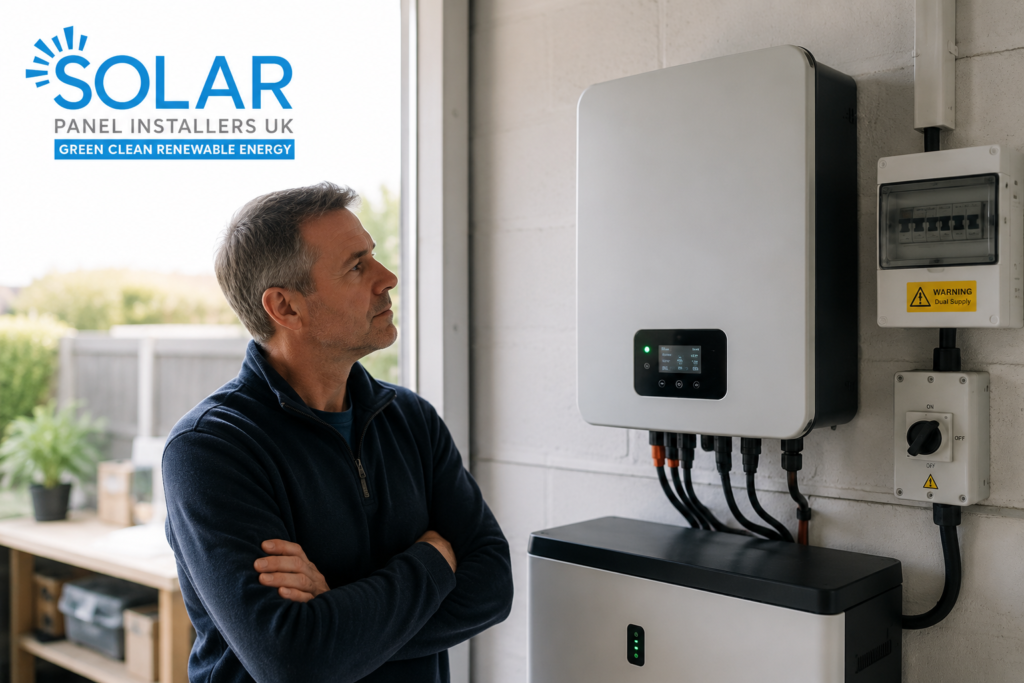
Many homeowners install solar based on today’s energy usage. The challenge is that energy usage rarely stays the same.
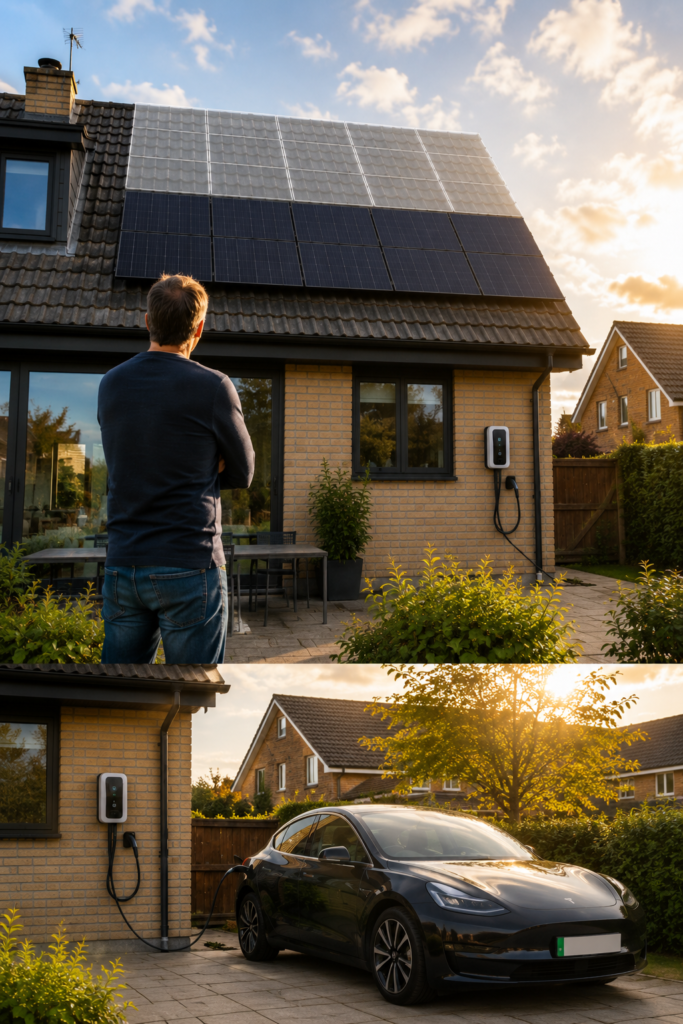
One of the most common assumptions homeowners make is that solar can always be expanded later.
Sometimes it can.
Sometimes it becomes more complicated than expected.
The reason is simple.
Most solar systems are designed around the property’s energy needs at the time of installation. Years later, life often looks different.
An electric vehicle arrives.
A battery is added.
Children move back home.
A heat pump is installed.
The property hasn’t changed.
The way it’s used has.
In many cases, additional solar panels can be added to an existing system. However, whether this is practical depends on factors such as:
This is why future plans should be discussed before the first panel is ever installed.
A system designed with future flexibility in mind can often be expanded more easily and at a lower cost.
The homeowners who tend to be happiest five years later are rarely those who guessed correctly.
They’re the ones whose original system was designed with change in mind.
Solar isn’t simply about what your property needs today.
It’s about what your property might become tomorrow.
Countless homeowners didn’t plan for battery storage when their solar panels were first installed. Years later, rising electricity costs and changing energy habits often lead them back to the same question.
One of the most common conversations we have today starts with a simple observation.
The battery wasn’t part of the original plan.
For many homeowners, solar panels were installed years ago when battery storage was either unavailable, expensive or simply not being discussed.
The goal was straightforward.
Generate electricity during the day and reduce electricity bills.
Then things changed.
Electricity prices increased.
Battery technology improved.
Time-of-use tariffs became more common.
Homeowners started paying more attention to how and when they used energy.
Suddenly, a question that didn’t exist when the system was installed became important.
Can a battery be added?
In many cases, the answer is yes.
However, it depends on how the original solar system was designed and what equipment was installed at the time.
Factors that may affect battery compatibility include:
• The type and age of the inverter
• Available installation space
• Existing electrical infrastructure
• Current energy usage patterns
• Future plans for EV charging or heat pumps
Sometimes a battery can be integrated with relatively minor changes.
Sometimes additional equipment is required.
The important thing is understanding that battery storage is not really about storing electricity.
It’s about storing options.
The ability to use more of the electricity you generate.
The ability to take advantage of changing tariffs.
The ability to adapt as your household’s energy needs evolve.
The homeowners who benefit most from battery storage are not always the ones who planned for it from day one.
Often, they’re the ones who recognised that the way they use energy has changed.
The solar panels stayed the same.
The world around them didn’t.
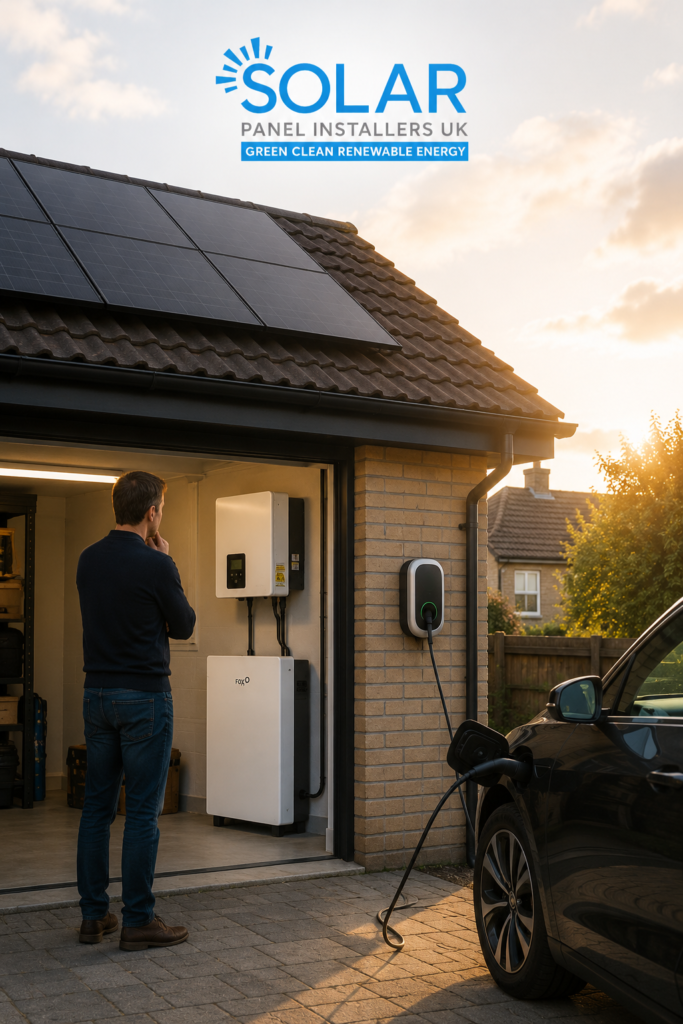
One Thing Homeowners Notice After Installing Solar
Many homeowners expect solar panels to change their electricity bills.
What often surprises them is how they start thinking about electricity itself.

One of the more surprising conversations we have with homeowners starts with a statement that sounds slightly strange.
“We never realised how much electricity we were using.”
The solar panels didn’t change how much electricity was available.
What changed was awareness.
Before solar, most people only saw their electricity usage when the bill arrived.
Once solar is installed, many homeowners begin paying closer attention.
They notice when appliances are running.
They start recognising which activities use the most energy.
They become more aware of the difference between using electricity during the day and using it during the evening.
In some households, electricity usage actually increases after solar is installed.
That may sound surprising at first.
But there are good reasons why.
People often feel more comfortable running appliances during daylight hours when their solar panels are generating electricity.
Some homeowners add electric vehicle chargers.
Others install battery storage or begin planning for a heat pump.
The property hasn’t changed.
The way it uses energy has.
This isn’t necessarily a problem.
In fact, it often means the household is making better use of the electricity it generates.
The important thing to understand is that solar doesn’t simply change where your electricity comes from.
It changes your relationship with electricity.
The homeowners who gain the most value from solar are often those who become more aware of how energy flows through their property.
The panels generate electricity.
The real change happens in how people think about using it.
One of the more surprising conversations we have with homeowners starts with a statement that sounds slightly strange.
“We never realised how much electricity we were using.”
The solar panels didn’t change how much electricity was available.
What changed was awareness.
Before solar, most people only saw their electricity usage when the bill arrived.
Once solar is installed, many homeowners begin paying closer attention.
They notice when appliances are running.
They start recognising which activities use the most energy.
They become more aware of the difference between using electricity during the day and using it during the evening.
In some households, electricity usage actually increases after solar is installed.
That may sound surprising at first.
But there are good reasons why.
People often feel more comfortable running appliances during daylight hours when their solar panels are generating electricity.
Some homeowners add electric vehicle chargers.
Others install battery storage or begin planning for a heat pump.
The property hasn’t changed.
The way it uses energy has.
This isn’t necessarily a problem.
In fact, it often means the household is making better use of the electricity it generates.
The important thing to understand is that solar doesn’t simply change where your electricity comes from.
It changes your relationship with electricity.
The homeowners who gain the most value from solar are often those who become more aware of how energy flows through their property.
The panels generate electricity.
The real change happens in how people think about using it.
You now understand the questions that shape a good solar decision.
The next step is understanding how those answers apply to your property in real terms.
That includes how your roof is positioned, how energy is used throughout the day and what level of performance a properly designed system should realistically deliver.




Are you looking for a solar panel installation for your home or business in your area?
You can explore our regional pages to see how systems are designed for real properties and real usage across Essex, Kent, London and Berkshire. (These open in a new window)
Most solar advice focuses on installation.
But the real decision is about ownership, performance and what happens over time.
If you’re considering solar, start with a structured assessment built around your property, your usage and your long-term plans.
Share a few details below and our engineer-led team will begin your Structured Solar Performance Assessment.
We do not use sales teams. Your enquiry goes directly to our engineer-led design team.
Prefer to speak with an engineer now?
Call us and get clear, practical guidance based on your property and energy usage.